6
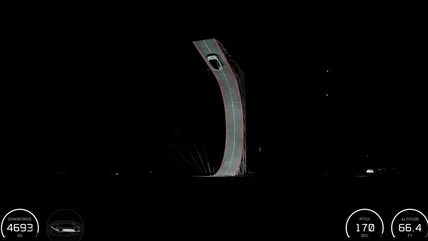
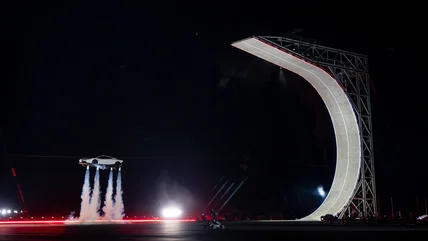
A 'flying' Tesla Roadster sounds impossible, until you see what Lockheed Martin built decades ago
Thrusters are as good at flipping cars as they are at hunting ballistic missiles.
Read More

Thrusters are as good at flipping cars as they are at hunting ballistic missiles.
Read MoreIf a company like Apple could offer $29 batteries before, it can do so again.
Read MoreYou can see the locations of known outdoor surveillance cameras in the MapQuest app.
Read MoreAn OpenAI research model hit a nebulous milestone today by pilfering test Ethereum tokens.
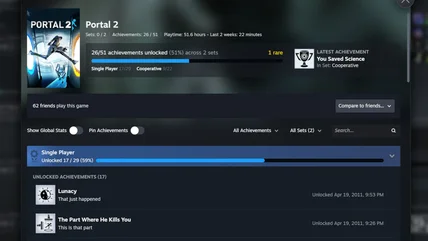
Read MoreSteam has launched Achievement Sets in beta.
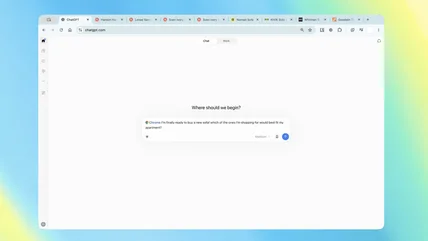
Read MoreThe ChatGPT browser extension lets you compare information from your open tabs.
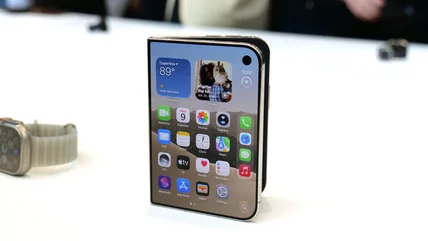
Read MoreThe Apple Store is down ahead of pre-orders for the first folding iPhone.
Read MoreGmail's search can be frustrating and basic, but Google is finally smartening it up for AI plan subscribers.
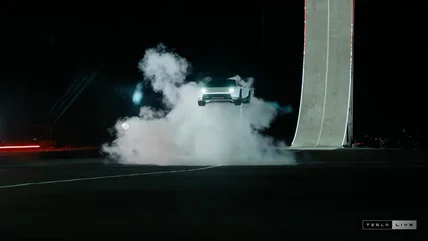
Read MoreTesla's Roadster event was pretty exciting, to say the least.
Read MoreElon Musk has been saying the demo might be a literal "banger."
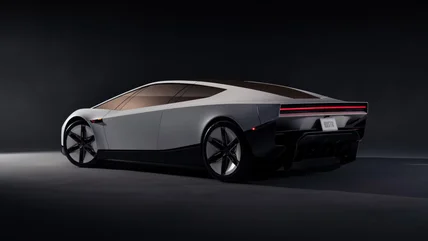
Read MoreTesla has finally unveiled the next-generation Roadster.
Read MoreThe FTC is investigating possible consumer harms at two major AI companies.
Read MoreE Ink's new display tech offers improved color reproduction and refresh rates.
Read MoreNot that anyone's terribly surprised.
Read MoreMuse Spark Open is "the most capable US open-weight model to date," the company says.
Read MoreThe company says more of its users are holding down multiple roles.
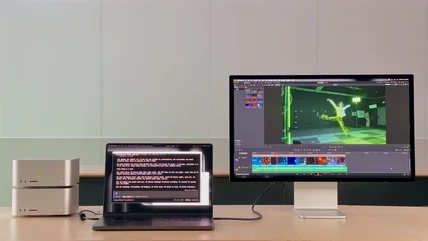
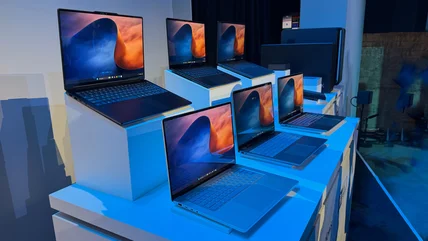
Read MoreNVIDIA's RTX Spark is meant for AI fiends, but it could end up helping Windows PCs in general
Read MoreA new type of spyware dubbed "AdFection" is infecting phones and computers via global online advertising networks.
Read MoreThe Eclipse and Frontier are cheap and colorful, but you'll need a Pro subscription to make the most of them.
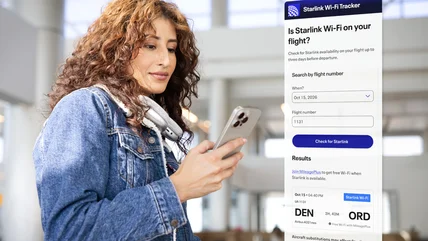
Read MoreUnited has launched a tracker that you can use to check if your flight has Starlink Wi-Fi.
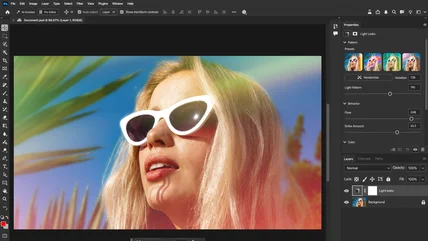
Read MoreAdobe has ‘rearchitected’ Photoshop, Premiere and Substance 3D to work faster on computers powered by NVIDIA’s RTX Spark AI superchip.
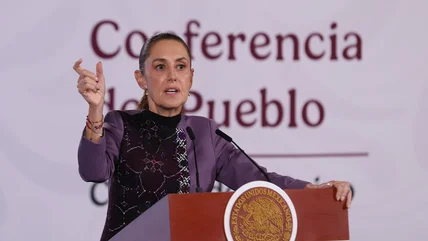
Read MoreMexico's president Claudia Sheinbaum has signed a decree ordering digital platforms to protect children from accessing harmful content.
Read MoreThe famous Apple I "Hatfield" computer signed by Steve Wozniak just sold to an unknown buyer for a record $1,148,200.
Read MoreYouTube is already talking to publishers about offering audiobooks on its platform, The Wall Street Journal says.
Read MoreThe lawsuits cover everything from the design of ChatGPT to the company's recent issues with rogue agents.
Read More