5
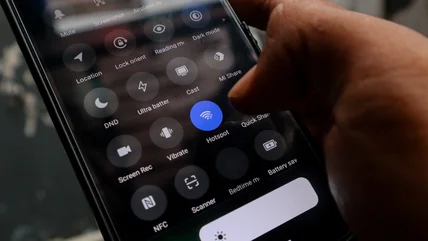
How to use your old Android phone as a Wi-Fi extender
If your Wi-Fi signal is patchy at the far reaches of your house, this simple solution might be worth a try. Even better? It's completely free.
Read More

If your Wi-Fi signal is patchy at the far reaches of your house, this simple solution might be worth a try. Even better? It's completely free.
Read More"The public square is open again, and definitely not affiliated with X in any way."
Read MoreIt's allegedly been running dozens of gigantic generators without a permit.
Read MoreYour phone should be able to still sound your morning alarm when it's in silent mode. If it's not, here are some settings to check.
Read MoreFlash memory is popular for lots of good reasons, but it's not without its faults. Will the market be moving on?
Read MorePSA to friends and family of GTA fans: You'll probably rarely see them from November 19 onwards.
Read MoreStripe and buyout firm Advent are no longer pursuing their acquisition of PayPal as was reported earlier this month.
Read MoreX found a bot farm in its investigation of inauthentic Chinese accounts. Out of 200,000 bots, 200 allegedly focused on posting against AI data centers.
Read More'The empty invocation of national security is not a blank check to punish and retaliate against government critics.'
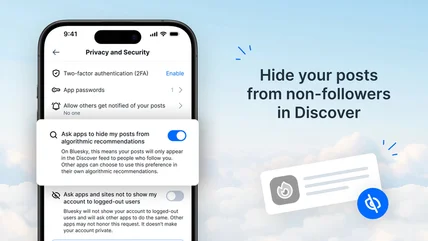
Read MoreThe setting will prevent your posts from being recommended in the algorithmic "discover" feed.
Read MorePeople in the US don't have much choice beyond Apple, Google, and Samsung phones. But there are so many more choices that aren't sold in the region.
Read MoreDozens of companies came together to publish an open letter titled "A call for collective action on cyber defense."
Read MoreThe retailer just finally joined YouTube Shopping's affiliate program.
Read MoreEverything you need to know about Apple's latest audio tool.
Read MoreMeta's settlement could force its biggest competitors to reshape their apps.
Read MoreWhat are the differences between the two and is the $50 price hike all about RAM?
Read MoreGoogle AI Mode is getting a flight price tracker, hotel booking and a way to view the cost in miles or points.
Read MoreThe NFL's long-standing partnership with Twitter (and now X) is continuing this season.
Read MoreIf you've ever wanted a robotic duck as a companion, now's your chance.
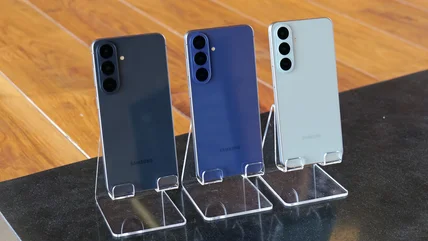
Read MoreWe’re expecting to see the Galaxy S26 FE at today’s Unpacked, but might there be any surprises?
Read MoreThe Plaud One is a different take on AI wearables.
Read MoreYou can get a special Fitbit Air with a sleeping Pikachu design next month.
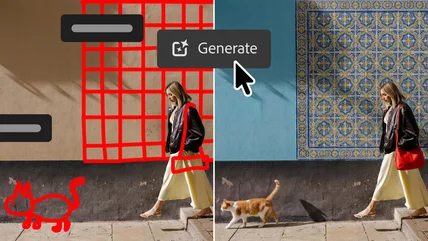
Read MorePhotoshop is getting new image-generation features and Lightroom-like controls that users have wanted for a long time.
Read MoreYou're probably using Android System Intelligence more than you realize -- especially if your phone is a Google Pixel.
Read MoreThe Galaxy S26 FE is basically a more affordable version of the S26+ with slightly reduced specs.
Read MoreSongs using gen-AI as a support tool will still be allowed, so long as they're "substantially human made."
Read MoreTransparency from the company is good, but real trust in its people would be better.
Read More