0
Is a 256GB SSD better than a 1TB hard drive? It depends how you're using it
Should you choose a smaller SSD for speed or a larger HDD for storage space? The answer depends on what you prioritize.
Read More

Should you choose a smaller SSD for speed or a larger HDD for storage space? The answer depends on what you prioritize.
Read MoreWindows laptops aren't known for having excellent battery life, but a lot of that is because of unoptimized settings. Change these for big improvements.
Read MoreThe Lenovo Googlebook 15 will reportedly have a high-resolution, high-refresh rate display and an Intel Core Ultra 5 chip.
Read MoreGoogle and Apple's latest flagships feature more AI, better cameras and few reasons to switch ecosystems.
Read MoreRoblox has revealed that players will be able to play in-browser and offline in the near future.
Read MoreIf the name Packard Bell sends you back to beige desktop towers, chunky CRT monitors, floppy disks and dial-up modem screeches, Acer has a surprise for you.
Read MoreApple will release iPhone Handoff with iOS 27 this month, but it will only be available to T-Mobile subscribers in the US at launch.
Read MoreThey’re aimed at protecting minors, but the rules are not universally supported.
Read MoreAnthropic produced an extensive collection of case studies covering the ways its current AI models have been misused.
Read MoreThe company is suggesting that its work with traditional fact checkers could come to an end.
Read MoreThe platform was linked to an FBI investigation into a dark web marketplace last week.
Read MoreThere's a keyboard shortcut to open it up, just like the Mac version.
Read MoreAppleCareOne Family insurance will cover all eligible devices for up to six members.
Read MoreThe unnamed software will be built around licensed music from UMG artists who want to participate.
Read MoreSome upgrades make these more capable and easier to use for small hands.
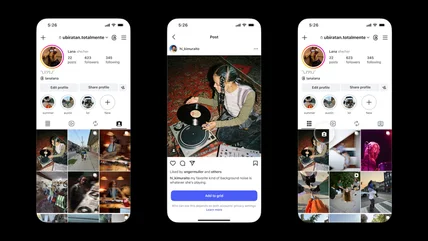
Read MoreInstagram now lets you bring tagged photos to your main profile feed, and here's how to do it.
Read MoreGoogle has erased the listing for the Pixel Tablet from its e-commerce store, signaling that the device has been discontinued.
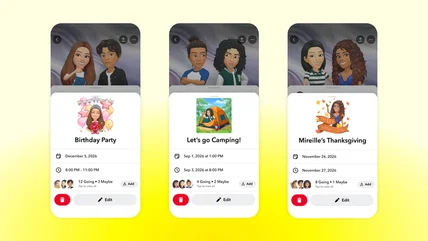
Read MoreSnapchat Plans lets you organize IRL gatherings, though it's missing one seemingly obvious detail.
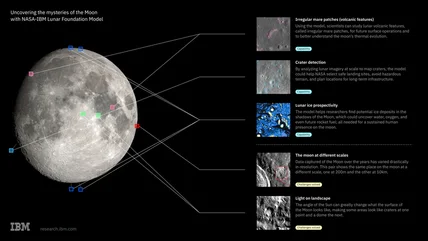
Read MoreNASA and IBM's latest collaboration is an AI model of the moon made for the Artemis era.
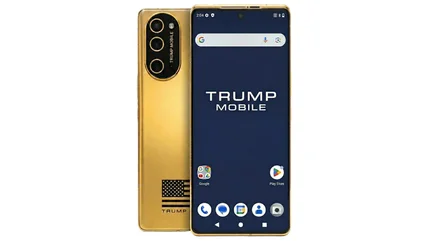
Read MoreTrump Mobile’s T1 Phone, which an iFixit teardown revealed to be pretty much identical to an HTC handset, got a $250 price hike.
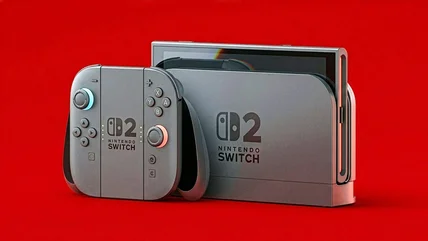
Read MoreNintendo has finally delivered Switch 2 docked variable refresh rate support for TV gaming.
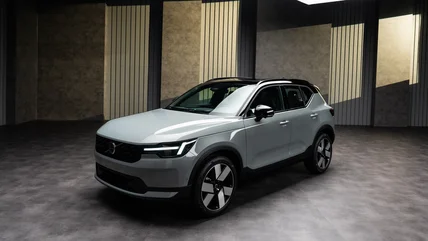
Read MoreVolvo refreshed the XC40, but it's sadly doing away with the all-electric EX40 in the US.
Read MoreIt doesn't fold, but it probably is the one most people will buy.
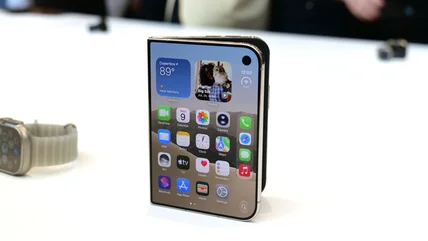
Read MoreThe iPhone Duo makes a great first impression, I just wish it had three cameras in back.
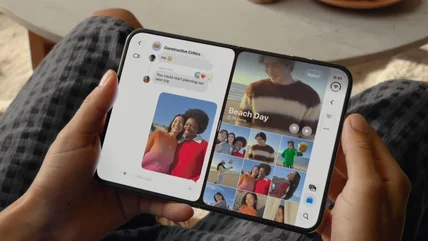
Read MoreWe finally have an Apple foldable, and it looks pretty damn compelling.
Read MoreRight on cue, Motorola has teased a wide new foldable to compete with the Galaxy Fold 8 and iPhone Duo.
Read MoreWhile the iPhone Duo might make headlines, variable aperture and more control is more important to me than a foldable iPhone.
Read More