0
Level 1, 2 and 3 EV chargers: Which is better to use?
Provided you don't drive long distances every day, Level 1 charging could be all you need.
Read More

Provided you don't drive long distances every day, Level 1 charging could be all you need.
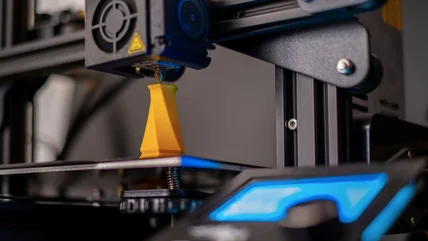
Read More3D printers have become more advanced and user-friendly than they were ten years ago, but they may not be ready for the masses.
Read MoreFoldable phones inherently have more weak points than bar phones, and the hinge mechanisms are susceptible to dust. Getting the right case matters.
Read MoreYour phone may be all you need until battery life, navigation or rough conditions start getting in the way.
Read MoreIf you have a MacBook sitting around collecting dust, you can give it new life by turning it into a home NAS server. Here's how to get started.
Read MoreGoodwill has a pretty robust electronics refurbishment program.
Read MoreThe Microsoft co-founder said that the more present danger is bad actors with access to AI tools.
Read MoreFoldables expand to almost the size of an iPad Mini.
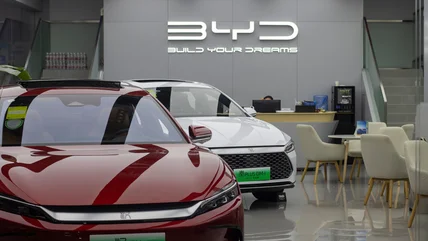
Read MoreThe Chinese company is one of several car makers expected to adopt solid-state batteries in the next few years.
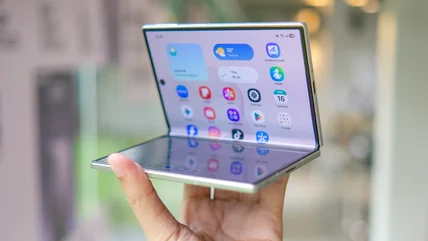
Read MoreFoldable phones are gaining momentum, but have they been refined enough to make it to the mainstream? Here are some things to consider.
Read MoreYou can plug recent Pixel phones into a monitor to get a desktop-style interface.
Read MoreThere are often times when your PC hangs and you need to perform a hard shutdown, but there are a number of reasons why doing it regularly could cause issues.
Read MoreSpeaking with an AI chatbot can be a little awkward, but companies like Google and OpenAI are working on fixing that.
Read MoreIf you’re not going to put it on your desk, at least do these things.
Read MoreWith the right software, you can run Android apps on your Windows PC. Here's why you may want to and how to get it set up on your own computer.
Read MoreA power bank is more than its capacity. You also need to know how fast it can deliver power so your laptop doesn't drain while it's connected.
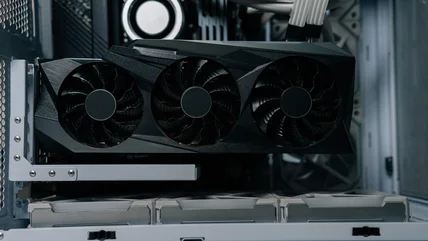
Read MoreYour old GPU could be a goldmine thanks to the RAMaggedon.
Read MorePhone manufacturers are pretty direct in their guidance on this one.
Read MoreThe WiCi One is available for preorders starting at $1,999.
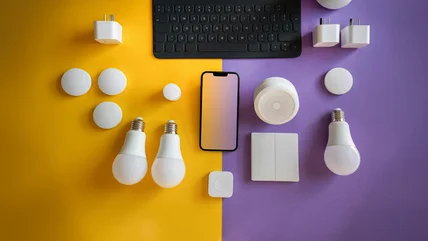
Read MoreAn old netbook can automate the devices that otherwise aren't interested in talking to one another.
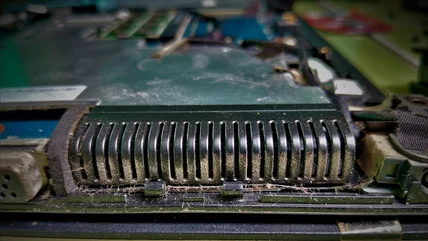
Read MoreStart with the vents before you reach for a screwdriver.
Read MoreTikTok has settled Alabama’s social media addiction lawsuit before it was supposed to go to trial.
Read MoreNVIDIA's $16,000 RTX PRO 6000 can beat the RTX 5090, but gamers aren't who it's built for.
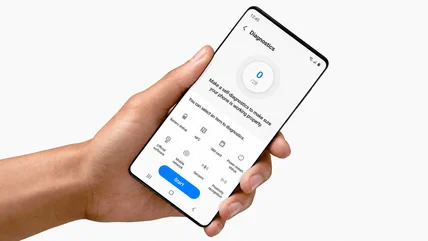
Read MoreIf your Samsung phone is acting strangely, you can test just about any element of the phone's hardware using this test.
Read MoreWhether you do a full shutdown or just put your MacBook to sleep should change with the circumstances we discuss here.
Read MoreOpenAI's agents targeted websites operated by the Commerce Department, the Securities and Exchange Commission and the Department of Education during testing.
Read MoreSurely my sticker budget will break even eventually.
Read More