0
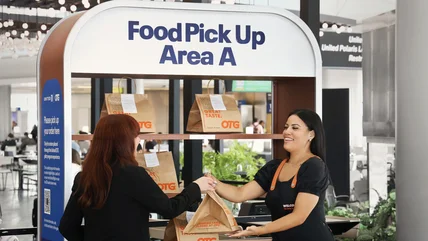
United Airlines will deliver food and other essentials to your gate
United Airlines is testing a new offering that will let you order food from its app and have it delivered to your gate.
Read More

United Airlines is testing a new offering that will let you order food from its app and have it delivered to your gate.
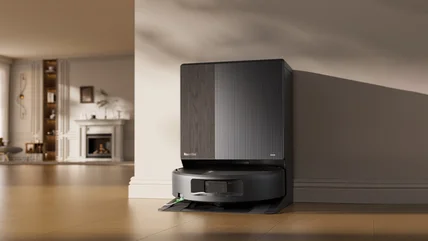
Read MoreiRobot has launched the $1,199 Roomba Max 875 Combo and the $899 Roomba Plus 678 Combo at IFA 2026.
Read MoreIt’s a showcase of NVIDIA’s latest chip tech.
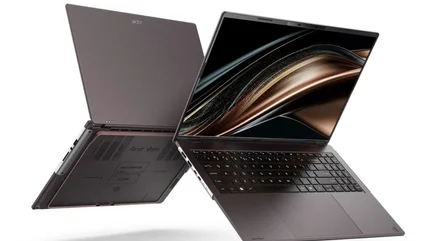
Read MoreThe Vero 16 includes removable port covers, a detachable external hinge and a latch on the bottom that doesn't require tools to open.
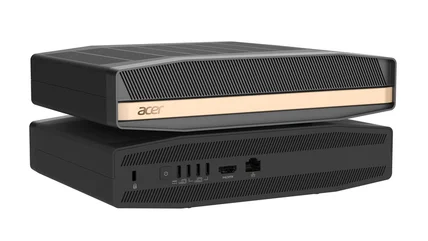
Read MoreAcer is also introducing a new 34-inch ultrawide and several models with dynamic refresh rates.
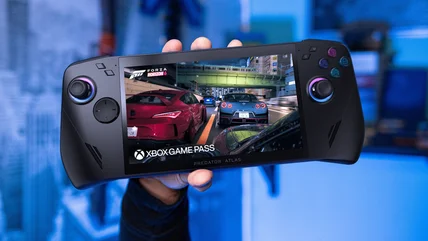
Read MoreAcer is launching a 7-inch version of the Predator Atlas 8.
Read MoreDell's latest attempt to match the MacBook Neo looks like a solid contender.
Read MoreTake the proper steps to fully experience Dolby Atmos sound.
Read MoreYou're just a few taps away from getting your Android phone out of safe mode and back to normal.
Read MoreThe latest release from Meta Superintelligence Lab is a powerful transcription model.
Read MoreDouble-check before you accidentally remove a protective layer of your screen.
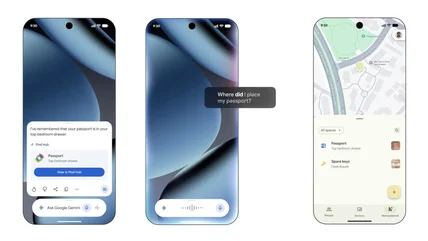
Read MoreGoogle also announced a new visual assistant for Gemini Live and Keep integration with Messages.
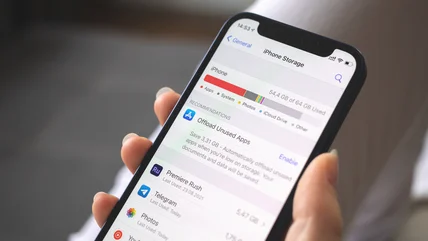
Read MoreIf you're running out of space on your iPhone, there might be unused data hiding in places you wouldn't expect.
Read MoreLandlines are finding a second life as valuable scrap metal.
Read MoreQHD, 4K, 5K, and other resolutions quickly become confusing. Once you get past the marketing terms, you can choose what makes sense for your needs.
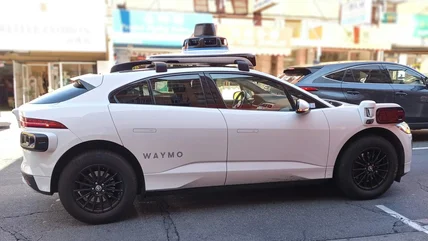
Read MoreThat brings the number of cities where Waymo is available to 14 ahead of its international expansion.
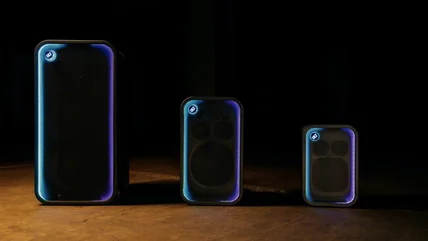
Read MoreSony has three new party speakers with a host of new features.
Read MoreThe company says its also planning a push into defense, robotics and aerospace.
Read MoreRunning your most-used apps at startup is great, but they can weigh your system down if you’re not careful.
Read MoreLocal processing could keep costs down too.
Read MoreThe upgraded headphones also feature improved ANC and longer battery life.
Read MoreSonos is embracing AI in its next major software update.
Read MoreApple's latest desktop OS can make your tabs much neater, if you want it to.
Read MoreAtlas says its new wearable EEG will be able to tell you where your attention is through the day.
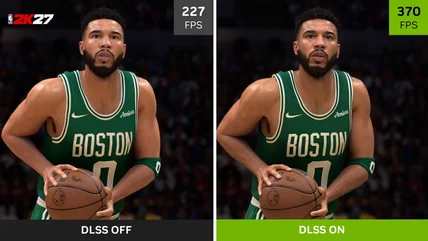
Read MoreNVIDIA's controversial DLSS 5 finally arrives this week, but there's little reason to celebrate it.
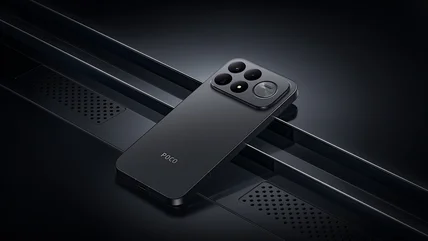
Read MorePoco's newest smartphone isn't headed to the US, but you might want it to.
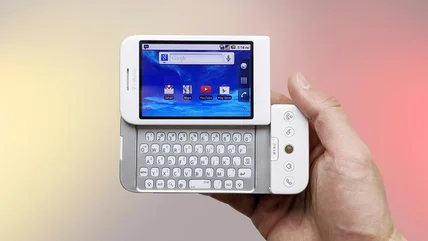
Read MoreEarly Androids were the tech equivalent of alternative rock. iPhones were far too mainstream for some of us, and Android felt like home.
Read More