0
TikTok reportedly bans ads for Musk documentary before its wider US release
The platform attributed the decision to “political content that goes against its policy.”
Read More

The platform attributed the decision to “political content that goes against its policy.”
Read MoreIf you have trouble getting apps to scale properly on your foldable, read on.
Read MoreFor the most reliable performance, round Ethernet cables are generally superior.
Read MoreDespite showing the storage amount on the box or the spec sheet, your new device might not actually hold as much as it states. Here are the reasons why.
Read MoreWith the release of iOS 27, car owners with CarPlay support can enjoy lots of cool new features. However, not all iPhone models are able to support them all.
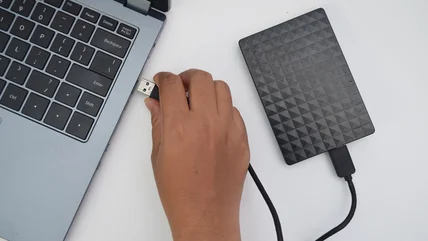
Read MoreExternal hard drives are sensitive, and what seems like a minor drop can cause major damage that should be checked by a professional.
Read MoreUploading data tends to be much slower than downloading, and it turns out there's a very good explanation for it.
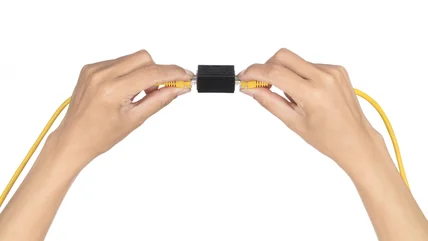
Read MoreJoining two Ethernet cables together with a coupler is rare, but when your cords are suddenly too short, there are better options to extend your network.
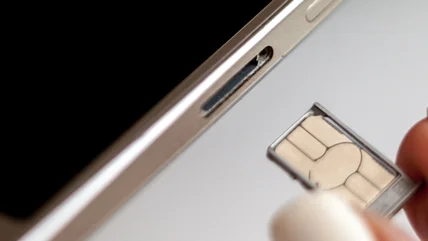
Read MoreSwapping SIM cards isn't something you'll do all the time, but when it does come up, you should do it carefully.
Read MoreEveryone getting online at the same time can slam the network, but working around these slowdowns is possible with a few tricks.
Read MoreSmart home products most often harness Wi-Fi to function. But what can you do if you lose internet frequently?
Read MoreHere are some of the other, older vehicles that use fans for downforce like the Tesla Roadster does.
Read MoreDon't underestimate this compact pickup.
Read MoreSamsung's Auto Blocker protects your Galaxy phone from security threats, but it does have drawbacks. Here's what it does and when you might want to turn it off.
Read MoreEthernet will keep your devices connecting online in record time, while Wi-Fi keeps them untethered. But how well can they both work together?
Read MoreiPhone Handoff, which lets you share the same number on two devices, will cost you $10 a month on Verizon.
Read MoreMicrosoft Office used to be a suite you could simply buy and it'd just work. Now, it's largely trapped behind a subscription. Here are some great free options.
Read MoreWhen it works, it works!
Read MoreEVs, with their enormous batteries, can suffer if they're charged in the wrong way. Here's what you should keep in mind when you next juice your vehicle.
Read MoreApple has tightened the App Store’s rules against AI-generated nonconsensual intimate imagery.
Read MoreUnderstand the speeds your Ethernet cable can transmit at help you diagnose where the slowdowns on your network are happening.
Read MoreIt's time to do something with that drawer full of old USB flash drives. Breathe new life into unused tech with simple, useful tricks spanning an array of uses.
Read MoreI drive upside down on the boulevard of broken dreams.
Read MoreThrusters are as good at flipping cars as they are at hunting ballistic missiles.
Read MoreIf a company like Apple could offer $29 batteries before, it can do so again.
Read MoreYou can see the locations of known outdoor surveillance cameras in the MapQuest app.
Read MoreAn OpenAI research model hit a nebulous milestone today by pilfering test Ethereum tokens.
Read More