0
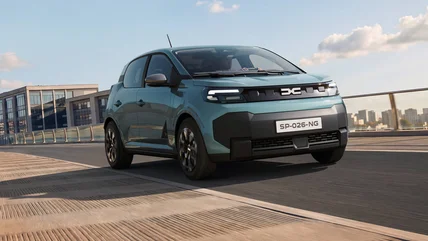
Renault is building its €17,900 Dacia Spring EV in Europe to qualify for local subsidies
Dacia also redesigned the Spring to add some sporty allure.
Read More

Dacia also redesigned the Spring to add some sporty allure.
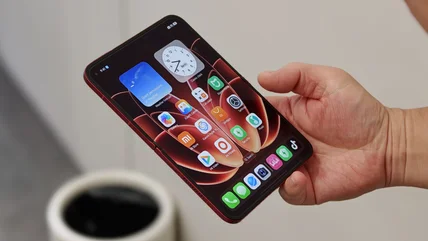
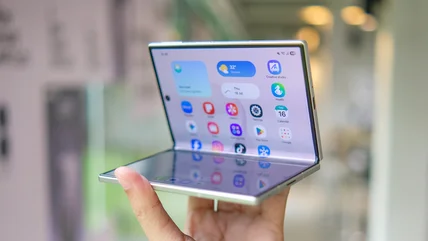
Read MoreXiaomi's impressive-sounding new foldable arrives on the eve of Apple's big foldable iPhone event.
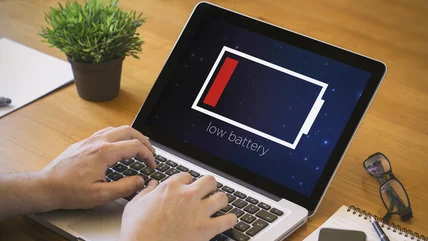
Read MoreIn the market for a new laptop? You'll want to know just how long it'll run without being plugged in, and how you can maximize the efficiency of its battery.
Read MoreGM's lineup is dropping Apple CarPlay and Android Auto in favor of its own infotainment systems. But one model is keeping the phone-mirroring capabilities.
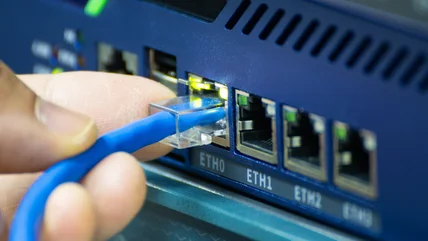
Read MoreAt this point, there are very few situations in which you'll want to use an Ethernet splitter.
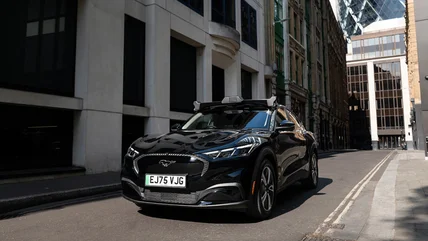
Read MoreIt's a partnership with the British AV company Wayve.
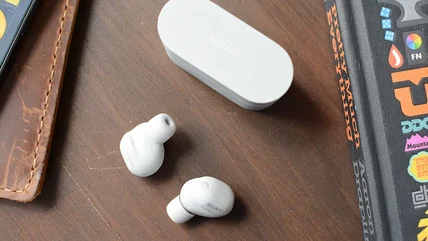
Read MoreEverything you need to know to decide which set of Sony earbuds are right for you.
Read MoreWhile it probably won't be available in the US, the Audi A2 e-tron looks like an appealing affordable EV with plenty of range.
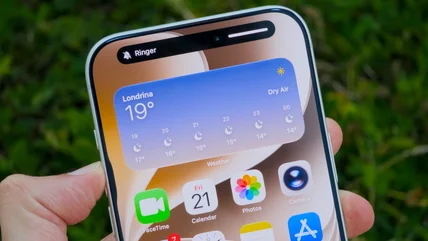
Read MoreApple's sound settings often meant you'd sleep through your iPhone alarm if you lowered the volume before you went to bed. With its new update, that is no more.
Read MoreWhen is it no longer worth repairing your phone and buying a new one instead.
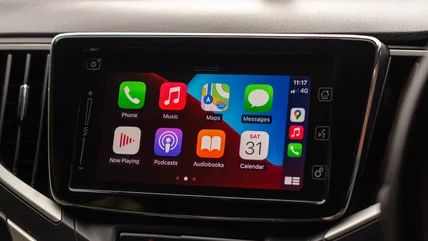
Read MoreIf Apple CarPlay leaves you feeling frustrated and you want a break from it, there are a few ways to prevent it from automatically connecting in your car.
Read MoreSony is taking a unique approach to its 2026 headphone lineup: bringing back 2020's greatest hit.
Read MoreEven though it'll be really pricey, Huawei's Mate XT2 is taking one of the Galaxy S26 Ultra's best features and putting it in a foldable phone for the first time.
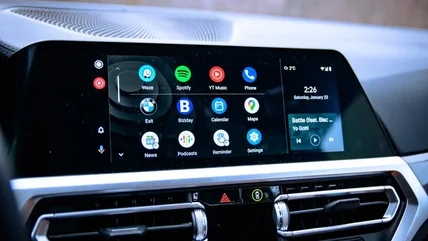
Read MoreMillions rely on Android Auto every day for navigation, music and messaging, but one of the common issues is apps vanishing from the platform without warning.
Read MoreYou'll want a paid plan if you plan to do much with Grok.
Read MoreMany recent vehicles had CarPlay and Android Auto built in, but if yours doesn't, you can add a portable one to your dash.
Read MoreSlate's build-a-truck model aims to keep costs low by only including features you'll use. But it won't be popular outside the U.S.
Read MoreIt can be tough to preserve the quality of your images when sending them from Android to iPhone, but these tried-and-true methods keep them crystal clear.
Read MoreThe company hopes to have an even better “automated AI researcher” by March 2028.
Read MoreVibe coding has gotten a bad reputation as lazy, AI-driven coding, but that's not where it came from.
Read MoreTri-band routers have, unsurprisingly, one more band than dual-band routers have. But what does this mean in practice?
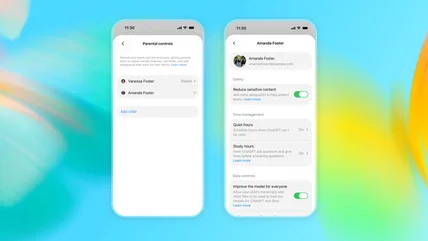
Read MoreThe idea of your child using ChatGPT can be daunting, but OpenAI's new teen-focused tools provide granular controls over what they can and can't access.
Read MoreFor better coverage or more wired connections, mesh, access points and Ethernet switches usually make more sense than a second active router.
Read MoreSamsung's Z Fold series has improved the foldable phone form factor over time, but there remains an issue that the rumored iPhone Ultra may not remedy.
Read MoreVolatile and non-volatile memory are both vital parts of modern computers and devices, but how do they work together?
Read MoreThis is a step-by-step guide to checking the health of your Windows hard drive and what you can do if you get a bad result.
Read MoreWith the right setup, an old, unused phone can be repurposed into a security camera. Even better? It's free.
Read More