0
Google's new AI weather model uses live satellite data for higher-resolution forecasts
WeatherNext 3 is also supposed to be much better at predicting precipitation.
Read More

WeatherNext 3 is also supposed to be much better at predicting precipitation.
Read MoreThis is especially noteworthy, as the cans cost just $150.
Read MoreIt's also letting people upload multiple photos at once when reacting to a post.
Read MoreInfostealer malware apparently had harvested active Claude login sessions from users' PCs.
Read MoreThe latest crystal-covered Razr phone is here.
Read MoreThe Project Swan concept features a 14-inch screen that stretches to 17 inches in just a few seconds.
Read MoreLenovo's Yoga laptops now get the option of harnessing NVIDIA's RTX Spark for heavy-duty workloads.
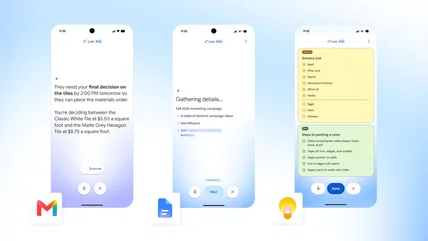
Read MoreGoogle makes its suite of voice tools available for Gmail, Docs and Live — at least if you're a paying customer.
Read MoreNVIDIA’s PAIR is a free, open-source tool that can distribute AI workloads across idle computers.
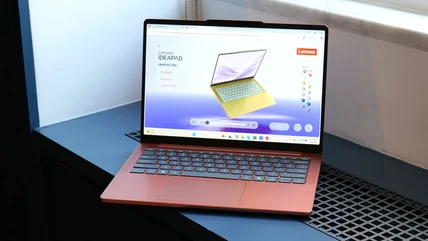
Read MoreLenovo's IdeaPad Vibe features a colorful new design, a range of processor options and, most importantly, is rather affordable.
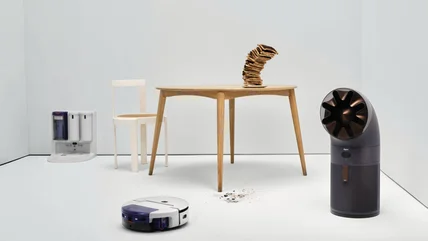
Read MoreDyson just announced three new robovacs, but the most eye-catching launch is the giant air purifier.
Read MoreWe're liveblogging Dyson's press conference at IFA 2026 because we love cleaning gadgets.
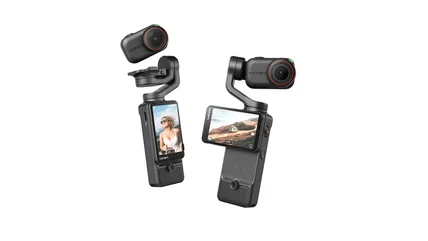
Read MoreHohem has combined its gimbal tech with a wearable camera unit.
Read MoreHTC’s Vive Eagle camera-equipped smart glasses come to the US, Europe and Australia.
Read MoreNVIDIA has confirmed it is buying AI software repository Hugging Face.
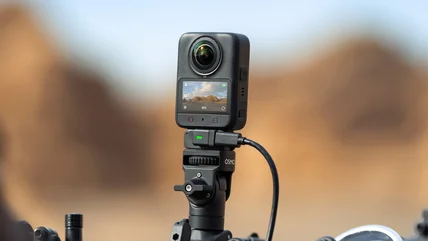
Read MoreIt didn't take DJI long to introduce a new version of its panoramic action cam that offers small but meaningful improvements at a slightly higher price.
Read MoreGemini reportedly told a group of climbers that it would only take them eight hours to climb Mt. Shasta. They had to be rescued more than a day later.
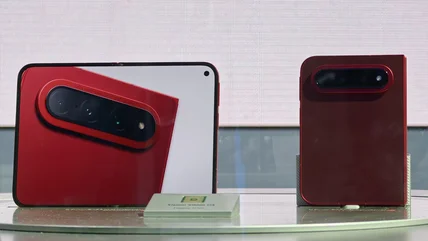
Read MoreThe passport-style foldable is increasingly dominating foldable phone launches this year. Xiaomi has its own.
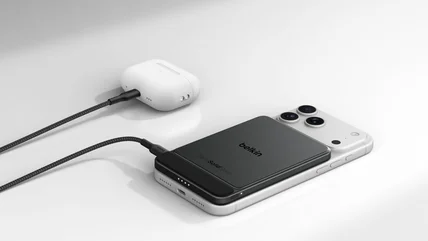
Read MoreBelkin has announced new Anker power bank-lookalikes, solid state power banks and new SureFind trackers.
Read MoreBelkin has announced SoundForm Isolate, Dot and Play.
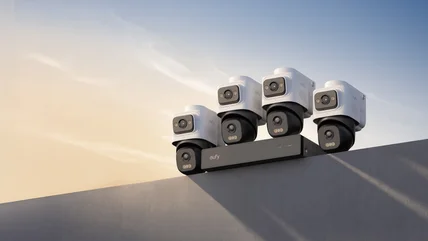
Read MoreSecurity was the focus of Anker Eufy at IFA this year.
Read MoreAnker’s MindBase uses AI to run your smart home, and keep it safe.
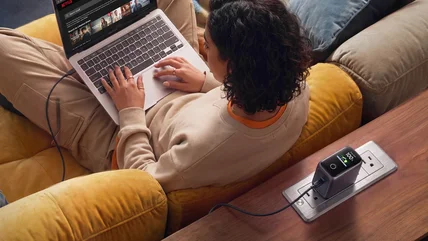
Read MoreNearly all of Anker's new chargers have displays, and several can power multiple devices at once.
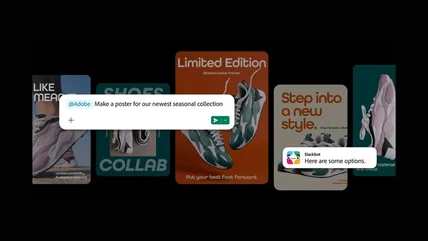
Read MoreAdobe added dozens of tools from its creative apps like Illustrator and Premiere Pro into Slack, allowing you to ask Slackbot to do the Photoshopping for you.
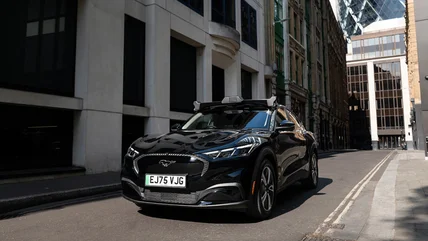
Read MoreIt's a partnership with the British AV company Wayve.
Read MoreClimate scientists now aim to minimize time spent above the limit from the Paris Agreement.
Read MoreNYC public schools are taking a year without generative AI tools.
Read More